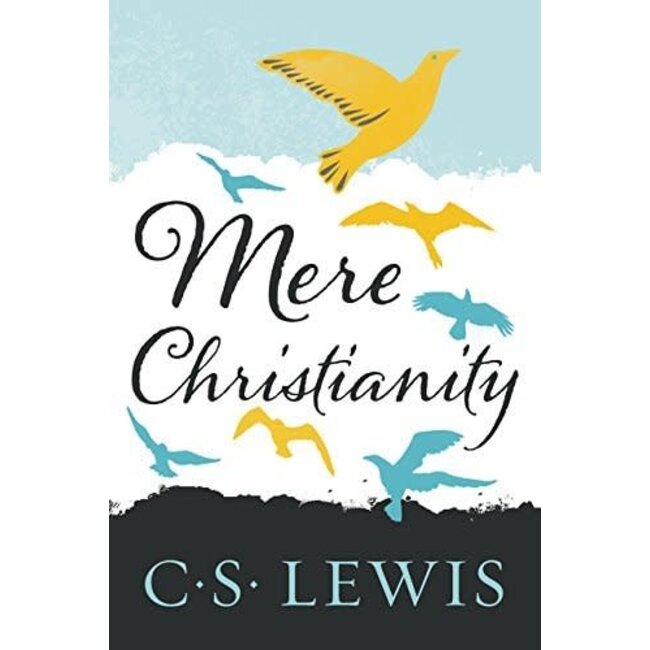
C. S. Lewis's case for the Christian faith, built from the moral argument up through the doctrines all Christians hold in common. Read more.
Mere Christianity grew out of talks C. S. Lewis gave on BBC radio during the Second World War. He begins not with the Bible but with the moral sense every person carries, arguing from the reality of right and wrong toward a lawgiver, then moves through what Christians believe about sin, the incarnation, the atonement, and the Trinity, closing with the virtues, forgiveness, pride, charity, hope, and what it costs to become a new creature in Christ.
Lewis wrote deliberately about what he called mere Christianity, the body of belief common to the historic church rather than the distinctives of any one tradition, which is why the book has been read across every branch of it for eighty years. It remains one of the most effective books to hand to a thoughtful unbeliever, and a useful clarifier for Christians who hold the faith without being able to explain it.